
Single shot and repeating firearms have several key differences you should know.
Firearms come in various forms, but two primary categories dominate the market: single-shot and repeating firearms. These two firearm types may seem similar at first glance, yet they vary significantly in design, function, and purpose.
Single shot firearms differ from repeating firearms in loading mechanism, rate of fire, versatility, ammo capacity, and complexity. In this guide, we’ll discuss these differences in more detail and why they set single-shot firearms apart from their repeating counterparts.
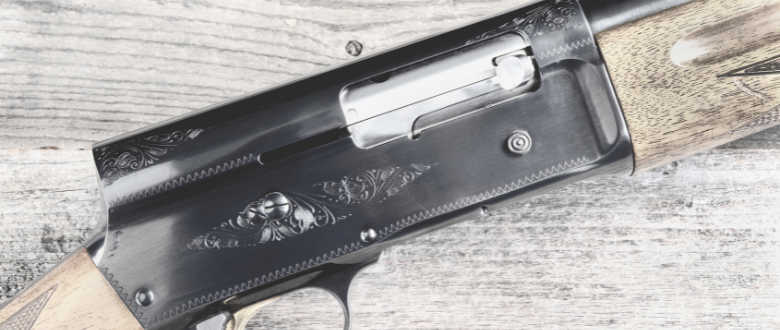
How is a single-shot firearm different from a repeating firearm?
These are the top 5 reasons why single-shot firearms are different from repeating firearms. The differences between the two go beyond just the appearance, which is often the first sign for even casual firearm users.
1. Loading Mechanism
Single-Shot: As the name suggests, single-shot firearms can only fire one round before requiring manual reloading. After each shot, the shooter must open the action, extract the spent cartridge, and insert a new round.
Repeating: Repeating firearms, on the other hand, feature mechanisms that allow multiple rounds to be fired without manual intervention. They often employ magazines or tubular under-barrel feed systems.
Examples: The iconic single-shot firearm is the break-action shotgun, exemplified by the single-barrel shotgun. Repeating firearms include semiautomatic pistols like the Glock 19 and rifles such as the AR-15.
2. Rate of Fire
Single-Shot: Due to the need for manual reloading, single-shot firearms have a significantly lower rate of fire. This limitation makes them less suitable for rapid or sustained engagements.
Repeating: Repeating firearms, with their capacity for multiple rounds, can be fired rapidly, making them ideal for self-defense, competitive shooting, and military applications.
3. Versatility
Single-Shot: Single-shot firearms lack the ability to use different ammo quickly or switch types easily. They are often used for hunting where precise shots are essential.
Repeating: Repeating firearms are renowned for their adaptability. Users can quickly switch between targets and ammunition types, making them suitable for various shooting disciplines.
4. Ammunition Capacity
Single-Shot: Single-shot firearms have a limited ammunition capacity of one round, which can be a disadvantage in situations requiring multiple shots.
Repeating: Repeating firearms come with various magazine capacities, enabling shooters to fire multiple rounds without frequent reloading.
5. Complexity
Single-Shot: Single-shot firearms tend to be simpler in design, making them easier to maintain and less prone to malfunctions.
Repeating: Repeating firearms, with their more intricate mechanisms, require regular maintenance and may experience malfunctions if not properly cared for.
Bottom Line: Single Shots Differ Greatly Compared to Repeating
Single-shot firearms are characterized by their manual reloading, slower rate of fire, and lack of versatility, severely limiting them for shooting sports and hunting. In contrast, repeating firearms offer rapid fire capabilities, greater ammunition capacity, and versatility, making them popular choices for self-defense, sport shooting, and military applications.
Understanding the differences between these firearm types is crucial for selecting the right tool for your intended purpose. The 5 points listed above are the main reasons how a single-shot firearm is different from a repeating firearm, but maybe you can find even more!
Was this helpful?
Latest Posts


